
Ventilation and respiratory support services are designed to provide specialized care for newborns and children experiencing breathing difficulties or respiratory failure. Early and effective respiratory management is critical in ensuring adequate oxygen delivery, supporting organ function, and promoting safe recovery.
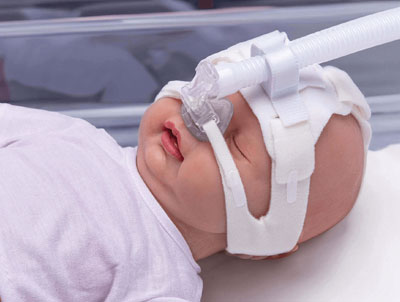
Respiratory care is delivered using evidence-based protocols tailored to the age, weight, and clinical condition of each patient. Continuous monitoring of oxygen levels, breathing patterns, blood gases, and vital signs allows timely adjustments and early intervention when required.
A wide range of respiratory support techniques are used based on clinical need. These include oxygen therapy, non-invasive ventilation such as CPAP and BiPAP, invasive mechanical ventilation, and advanced modes like high-frequency ventilation when indicated. Treatment plans are reviewed frequently to ensure effective support while minimizing lung injury.
In neonatal care, special attention is given to gentle ventilation strategies, temperature control, and synchronized breathing support to protect immature lungs. For older children, respiratory care focuses on stabilizing breathing, relieving distress, and supporting recovery from acute or chronic respiratory conditions.
Family-centered care remains a priority, with parents receiving clear explanations about ventilation support, progress updates, and expected outcomes. Emotional reassurance and guidance help families understand the treatment process and participate confidently in care decisions.
Once respiratory stability is achieved, care includes gradual weaning from ventilatory support and structured planning for further management. Follow-up guidance ensures continuity of care and long-term respiratory health after discharge.