
Neonatal Resuscitation and Newborn Stabilization focuses on providing immediate, life-saving care to newborns who experience breathing difficulties or medical instability at birth. Timely intervention during the first few minutes of life is critical to prevent complications and ensure a smooth transition from intrauterine to independent life.
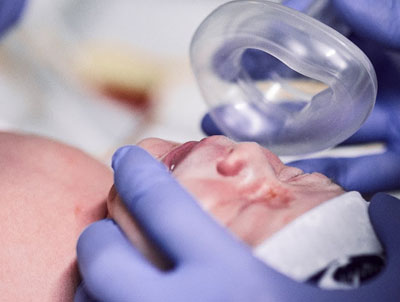
Care is delivered using standardized, evidence-based neonatal resuscitation protocols tailored to the newborn’s gestational age and condition. Immediate assessment of breathing, heart rate, oxygenation, and muscle tone allows prompt initiation of appropriate resuscitative measures and stabilization.
Resuscitation may include airway positioning, suctioning, positive pressure ventilation, oxygen therapy, chest compressions, and advanced airway support when required. Once stabilized, newborns are closely monitored for temperature control, glucose balance, breathing patterns, and cardiovascular stability.
Following successful resuscitation, newborn stabilization focuses on maintaining vital functions, preventing secondary complications, and ensuring safe transfer to neonatal intensive or special care units when needed. Continuous observation allows early detection of evolving conditions and timely intervention.
Family-centered care remains a core principle, with parents being informed about the newborn’s condition, resuscitation steps taken, and ongoing care plans. Clear communication and emotional support help families understand critical decisions during this sensitive period.
Neonatal Resuscitation and Stabilization also includes planning for ongoing care and follow-up. Babies who require resuscitation at birth receive guidance for monitoring, developmental follow-up, and continued medical support to ensure healthy growth and long-term outcomes.