Seizure and respiratory failure management focuses on the prompt recognition and treatment of life-threatening neurological and breathing emergencies in infants and children. These conditions require immediate medical attention, close monitoring, and advanced supportive care to prevent complications and ensure recovery.
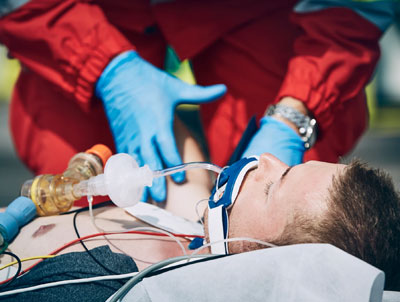
Care is delivered using evidence-based protocols and tailored to the child’s age, clinical condition, and underlying cause. Continuous monitoring of neurological status, breathing patterns, oxygen levels, heart rate, and vital parameters allows early detection of deterioration and timely medical intervention.
Management includes rapid seizure control using appropriate medications, stabilization of the airway, and correction of underlying causes such as infection, electrolyte imbalance, or metabolic disturbances. Treatment plans are reviewed continuously and adjusted based on clinical response and investigation findings.
In children with respiratory failure, advanced respiratory support such as oxygen therapy, non-invasive ventilation, or mechanical ventilation is provided when required. Close observation ensures safe breathing support while minimizing complications and supporting gradual recovery.
Family-centered care is an essential part of management. Parents are kept informed with regular updates, clear explanations, and counseling to help them understand the child’s condition, treatment approach, and expected recovery process.
Following stabilization, care focuses on recovery, prevention of recurrence, and long-term planning. Discharge guidance includes medication instructions, warning signs, follow-up planning, and preventive strategies to support ongoing neurological and respiratory health.