Care of Preterm and High-Risk Newborns focuses on providing specialized medical attention to babies born prematurely or with medical conditions that require close monitoring and advanced support. These newborns need carefully planned, round-the-clock care during the most delicate phase of early life to ensure stability, growth, and healthy development.
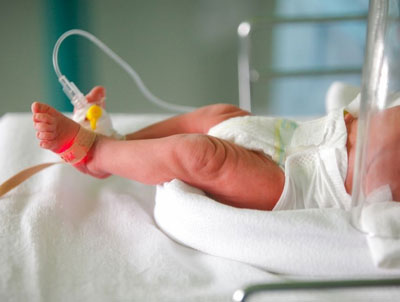
Care is guided by evidence-based neonatal protocols and individualized according to each baby’s gestational age, birth weight, and clinical condition. Continuous monitoring of breathing, heart rate, oxygen levels, temperature regulation, feeding tolerance, and neurological status allows early identification of complications and timely medical intervention.
Respiratory support and thermal care are key components in managing preterm and high-risk newborns. This may include oxygen support, non-invasive ventilation, mechanical ventilation, and careful temperature control to reduce stress and energy loss. Treatment plans are continuously adjusted based on the baby’s response to promote safe stabilization and recovery.
Nutrition plays a vital role in the growth and development of preterm babies. Emphasis is placed on breast milk feeding, lactation support, safe feeding practices, and gradual nutritional advancement to support weight gain, immunity, and organ development.
Family-centered care is an essential part of management, with parents receiving regular updates, education, and counseling regarding their baby’s condition and progress. Guidance is provided to help families understand care needs, feeding practices, and signs to monitor, building confidence for ongoing care.
Care of preterm and high-risk newborns also includes structured discharge planning and follow-up. Ongoing guidance for growth monitoring, developmental assessments, vaccinations, and long-term health ensures continuity of care beyond the hospital stay.